Saksagan

Repairs Ordered by Andronicus II in 1317
In the year 1317, general repairs were once again carried out on the Theodosian Walls by Emperor Andronicus II Palaiologos. These restorations were funded...
Reconstruction of the Walls
Who Was in Charge?
The question of how long it took to rebuild the walls of Constantinople is not the only issue raised by the...
The Strength of Constantinople’s Walls
As an inscription on the fortifications of Constantinople proudly declared, the city’s walls were not just any walls—they were extraordinarily strong. The inscription, which...
A Natural Disaster and a Dangerous Time
The walls of Constantinople, though strong, soon suffered serious damage—not from an invading army, but from a powerful force of nature. In the year...
The Fall of Fuad Pasha
A Loyal General's Downfall
Living in Fear The Sultan's Paranoid Court
The Sultan of the Ottoman Empire lived in constant fear for his life. His advisers...
The Football Misunderstanding
From Conspiracy to Exile
Football Was Already Being Played in Constantinople
Football had actually been played for many years in Constantinople by different groups of people....
The Great Football Conspiracy
A Misunderstanding That Terrorized the Sultan
Strange Conspiracies are Often Discovered
Some very curious and unusual conspiracies are discovered in Turkey from time to time. One...
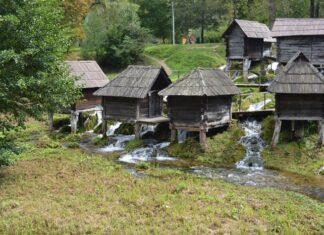
The Enigma of the Capitol of Constantinople
This article explores the mystery surrounding the Capitol of Constantinople, a monument that symbolized Roman identity and played an important role in the city’s...
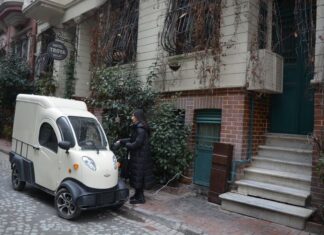
Decorative Motifs on Capitals
Some capitals found in Constantinople’s cisterns are decorated with simple but meaningful motifs. These include vine leaves, crosses, or medallions placed within framed moldings....
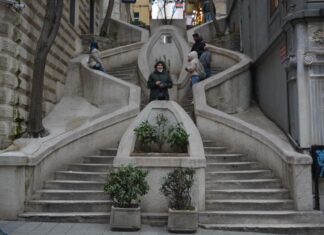
Corinthian Capitals in Constantinople’s Cisterns
Corinthian capitals are an important architectural feature found in nineteen different cisterns in Constantinople. These capitals show many changes over time, evolving from the...